- Your cart is empty
- Continue Shopping


Product
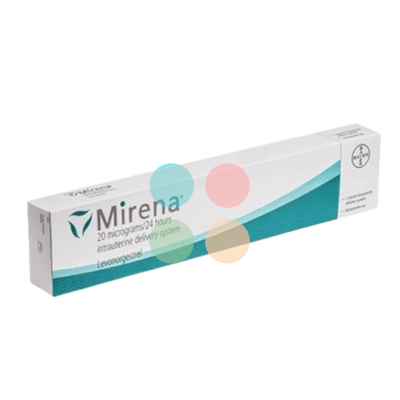
Mirena English Levonorgestrel 20 mcg/24h
£399.00
Add to cart
Buy Now
Mirena is a T-shaped intrauterine device (IUD) that provides long-term contraception and hormone therapy in one simple solution. It releases micro-doses of levonorgestrel, a synthetic progestin, directly into the uterus while maintaining minimal systemic absorption. This localized delivery means you get powerful contraceptive protection with fewer side effects than traditional hormone pills.
How It Works
Mirena prevents pregnancy through three complementary mechanisms:
Foreign Body Response — The device triggers your body’s natural immune response, creating an environment that rejects sperm and prevents implantation.
Endometrial Changes — Levonorgestrel thickens and alters your uterine lining, making it unreceptive to embryo implantation.
Cervical Mucus Thickening — The hormone creates denser cervical mucus that blocks sperm from entering the uterus.
Over time, many women experience significantly lighter periods or complete absence of menstruation, which can provide relief from heavy bleeding and menstrual pain.
Key Features
5-Year Protection — Single insertion provides up to 5 years of continuous contraceptive coverage
99%+ Effective — Pregnancy prevention rate exceeds 99%, meaning only 1 in 1,000 users conceive annually
Minimal Systemic Effects — Low hormone levels circulating through your body mean fewer side effects compared to pills or injections
Reversible — Can be removed at any time by a healthcare provider, with fertility returning quickly
Safe for Breastfeeding — Ideal for nursing mothers as levonorgestrel doesn’t affect milk quality or quantity and poses no risk to infants
No Daily Commitment — Unlike birth control pills, there’s nothing to remember to take daily
Beyond Contraception
Mirena is also effective for managing certain gynecological conditions:
Heavy or painful menstrual bleeding
Uterine fibroids with excessive blood loss
Endometriosis
Adenomyosis
Hormone therapy through menopause
Advantages at a Glance
✓ Long-lasting protection without daily effort ✓ Free from blood clot and certain cancer risks associated with estrogen-containing pills ✓ Suitable for women who cannot take estrogen ✓ Reduces ectopic pregnancy risk compared to other methods ✓ No drug interactions with other medications ✓ Dramatically lighter or absent periods for many users ✓ Can be used through menopause
Insertion and Use
Mirena should be inserted by a trained healthcare professional, ideally during your menstrual period or within 7 days of onset. The procedure typically takes just a few minutes and is generally pain-free, though some mild pelvic discomfort may occur temporarily.
Prior to insertion, your doctor will discuss benefits, drawbacks, precautions, and safety considerations. A pap smear and pelvic infection screening are recommended before insertion.
Important: Mirena must be inserted by a qualified healthcare professional. Pricing, availability, and shipping policies vary by location. All products are guaranteed authentic and within expiration dates.
Dr. Catherine B. –
Great product, I use it for a long time for myself and also for my patients. Can recommend!
Dr. Elizabeth R –
Effective, reliable, comfortable in exploitation, – what else would woman want? Mirena is an undeniable leader for me, always recommend it for my patients!
Carlton Daniels –
A great IUD. 4/5.
Susan Chase –
Effective and safe IUD, it does its job perfectly. Just 1 of 50 customers experience discomfort after the insertion, and typically any issues they experience are controllable. It’s a win-win for me.
Larissa F. –
love the website and the filler